Percetakan Tenaga

Rigid Box Packaging

The Complete Guide of Rigid Box Packaging

Table of Contents

The Complete Guide of Rigid Box Packaging

10 min read

Rigid box packaging uses chipboard for a fixed, premium structure, real weight in the hand, and a genuinely premium level of presentation. This guide covers what it actually is, the structural formats available, materials and finishes, how it's manufactured, where it's used, its real trade-offs, how it compares to other packaging, what drives cost, and how to choose a manufacturer.

Key Takeaways

  • Rigid box packaging uses chipboard, a thick board that holds a fixed shape, unlike the lighter art card used for cardboard boxes.
  • At least nine structural formats exist, from drawer and collapsible boxes to magnetic closures and fully custom shapes.
  • Foil stamping, spot UV and embossing are the three finishes that carry most of the premium presentation work.
  • Manufacturing follows a fixed seven-stage sequence, and nothing goes to mass production without a tested, approved prototype.
  • Rigid box suits corporate gifting, cosmetics, electronics, food and beverage, home and personal care, and pharmaceutical categories, each for different reasons.
  • Minimum order quantity starts at 5,000 units for boxes, and cost depends on far more than the base material.

01.What Is Rigid Box Packaging?

Chipboard is a thick, dense paperboard, laminated or wrapped with printed paper, that holds its shape rather than collapsing flat. The difference shows up the moment you hold one: a rigid box has real weight and a fixed structure it doesn't lose when it's picked up, opened and closed repeatedly.

That fixed structure is the whole point. A cardboard box, made from lighter art card, is easier to customise into different shapes, but doesn't carry the same weight or hold its form the way chipboard does. A rigid box stays exactly the shape it was built as, which is why it's the format brands reach for when the box itself needs to carry weight, corporate gifting, premium retail, gift sets, where the packaging is doing some of the selling before anyone touches what's inside.

Quick answer

Rigid box uses chipboard for a fixed, premium structure. A cardboard box uses lighter art card and folds flat, trading structural weight for flexibility.

02.What Types of Rigid Boxes Are Available?

"Rigid box" isn't one shape, it's a category, and we offer customisation across a range of structural formats, each solving a different presentation or functional problem.

Drawer rigid box packaging by PT Print

Drawer

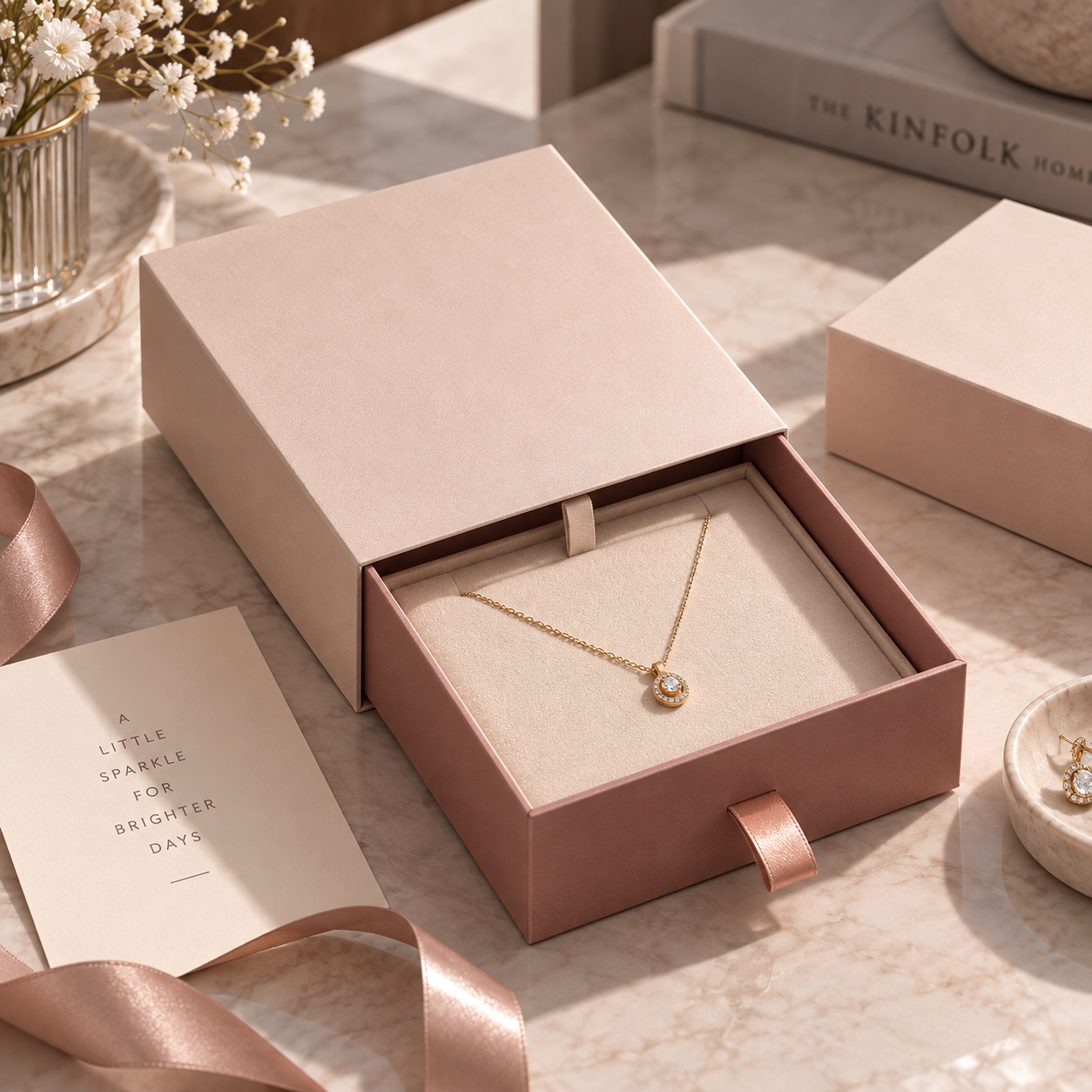
An inner tray slides out from an outer sleeve, creating a reveal moment that suits gifting and cosmetics.
Collapsible rigid box packaging by PT Print

Collapsible

Ships and stores flat, then assembles into a full rigid structure, reducing freight and warehouse space.
Magnetic closure rigid box packaging by PT Print

Magnetic Closure

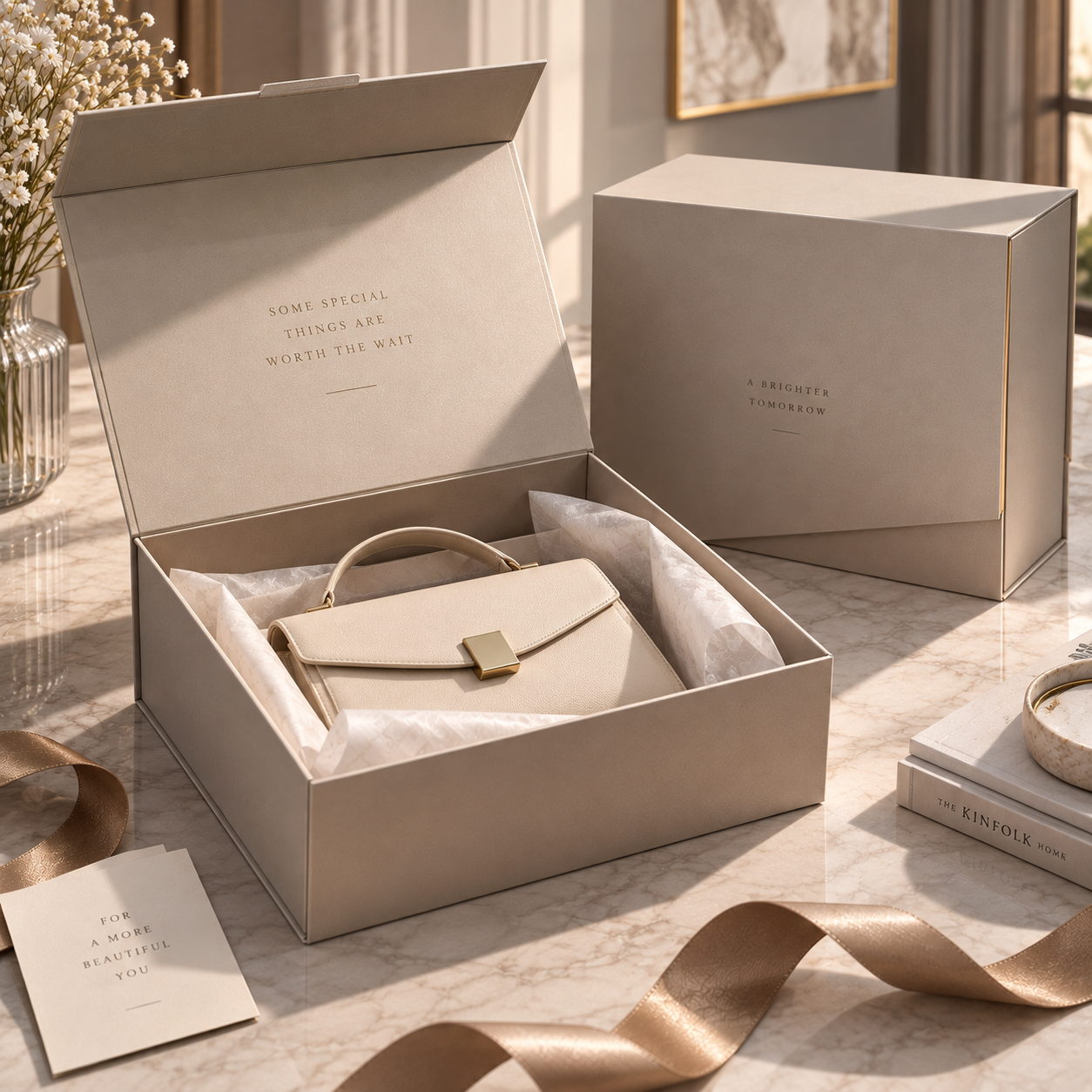
A hidden magnetic seal holds the lid shut yet opens smoothly, without visible clasps or ribbons.
Book style rigid box packaging by PT Print

Book Style

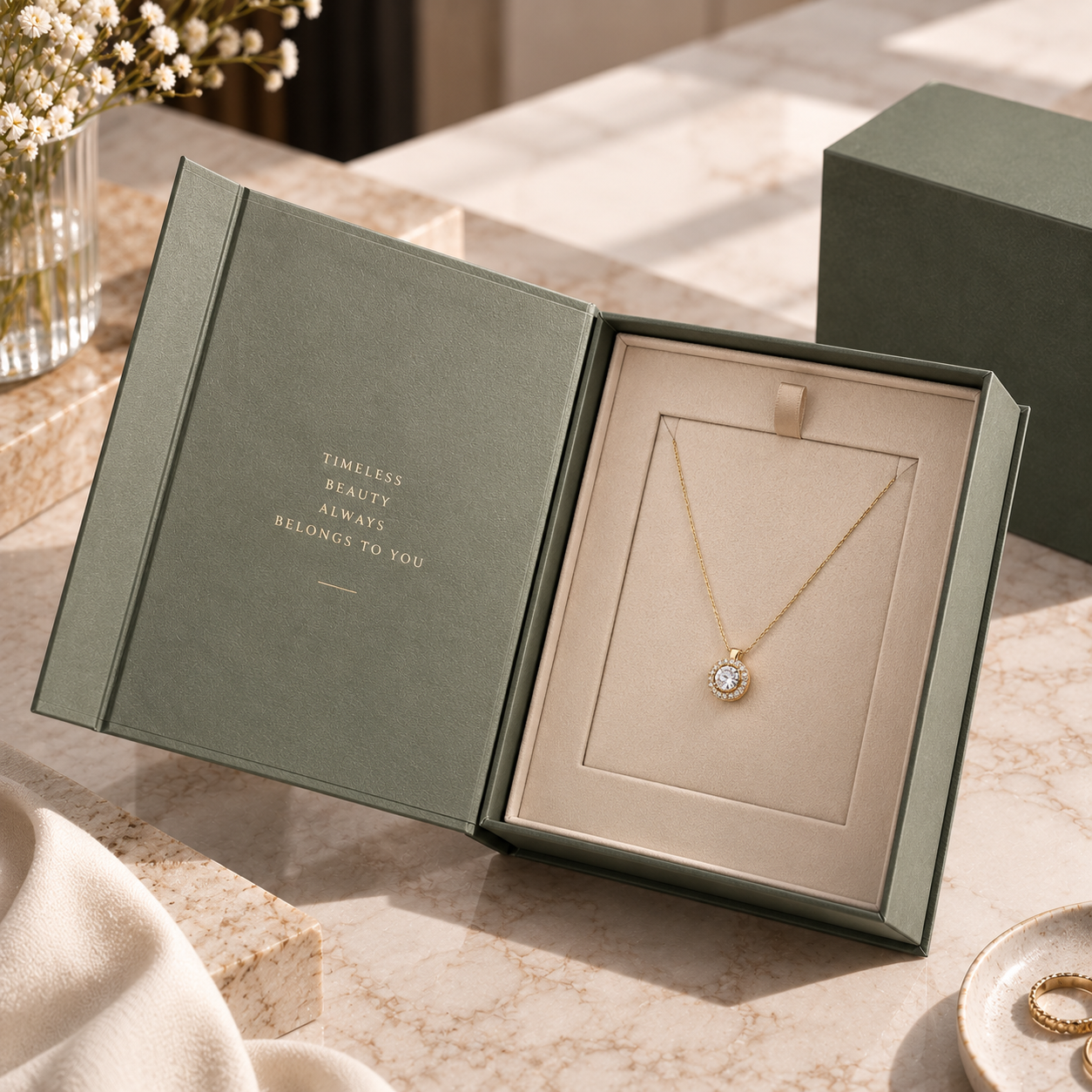
A hinged spine lets the box open like a hardcover book, suited to storytelling-led or editorial brands.
Hinged flip lid rigid box packaging by PT Print

Hinged Flip Lid

The lid stays attached along one edge and flips open, giving easy access with a clean closed appearance.
Top and bottom rigid box packaging by PT Print

Top and Bottom

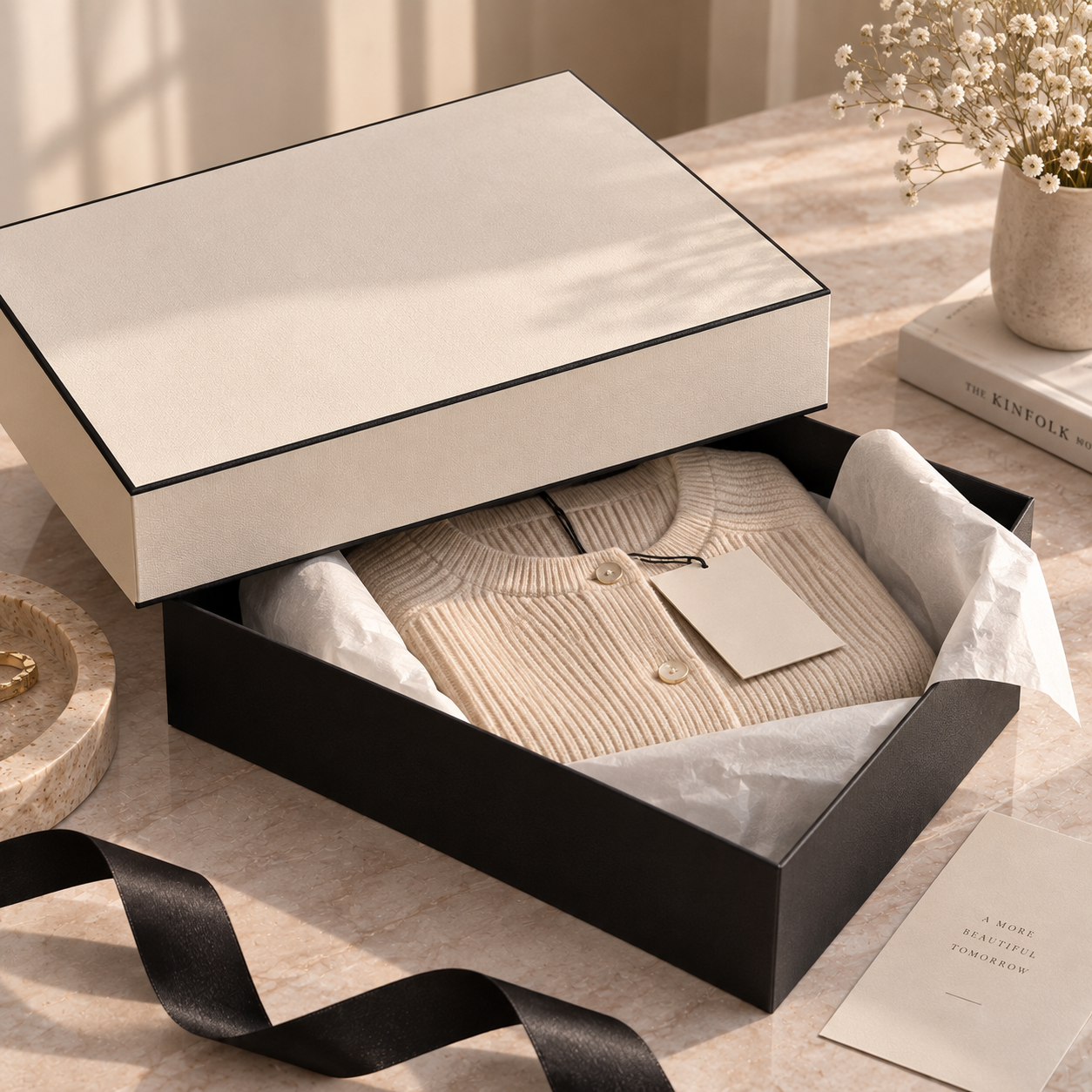
A separate lid lifts fully off the base, a classic structure suited to both gifting and retail presentation.
Shoulder neck rigid box packaging by PT Print

Shoulder Neck

A stepped inner rim supports the lid so it sits precisely, giving a more tailored fit than a loose-fitting lid.
Telescopic rigid box packaging by PT Print

Telescopic

The lid slides down over the base like a sleeve, covering part or all of the box's height for a snug fit.
Custom rigid box packaging format by PT Print

Custom Formats

Beyond standard styles, structures can be engineered around a product's exact shape and brand requirements.

03.What Materials and Finishes Can I Choose?

The base material for rigid box is chipboard itself, but the finish applied on top is what does most of the brand work, and it's where most of the decision-making actually happens.

Foil Stamping

What it isA metallic or coloured foil applied to specific areas of the design
Best forLogos, brand names, and premium accents

Spot UV

What it isA glossy, raised coating applied over selected elements of the design
Best forCreating contrast against a matte surface, drawing the eye to a specific detail

Embossing

What it isThe board is physically raised or pressed to create a tactile, three-dimensional effect
Best forA texture-led detail that's felt as much as seen

Heat & Scent Technology

What it isHeat-reactive ink that shifts colour or reveals a design on touch, paired with a scent-infused coating that releases fragrance when the box is opened or handled
Best forAn interactive, sensory unboxing moment for premium or gifting products

All four get planned into the dieline and artwork from the earliest design stages, not added once a design is otherwise finished. For a deeper look at how dielines, colour and finishes work together, see our guide on packaging artwork and printing.

04.How Is Rigid Box Packaging Manufactured?

Rigid box follows the same manufacturing sequence as any custom packaging structure, seven stages from a customer's initial requirements through to a finished, delivered product.

Specifications
Size, board thickness and finish requirements are confirmed before anything else begins.
Product Test Fit
The actual product is checked against those specifications before design work starts.
Design
With fit confirmed, artwork and finish placement are designed, using the customer's own files or our in-house design team.
Prototype
A physical sample is built from the confirmed design, showing the real fold, finish and fit.
Approval
The customer reviews the physical prototype and signs off before anything moves toward production.
Production
The approved design goes into mass production, with colour checks throughout the run.
Delivery
Once production and colour checks are complete, the finished boxes are delivered.

For a full breakdown of what happens at each stage and why the sequence is ordered this way, see our guide on custom packaging from design to mass production.

05.Where Is Rigid Box Packaging Used?

Rigid box shows up across a fairly consistent set of categories, each valuing a different part of what the structure offers.

Corporate Gifting

A rigid box with foil stamping, spot UV or embossing gives corporate gifting real weight and presence. The box itself is part of the gift.

Electronic Devices

Paired with a molded pulp insert cushioning the component, a rigid box holds a device securely while still looking as premium as the product inside.

Skincare and Cosmetics

Products that get picked up, opened and closed far more than a typical retail item benefit from a rigid box holding its shape and finish through that repeated handling, especially for gift sets and hero products.

Food and Beverage

Wine is the clearest example: a bottle needs freight-grade protection to survive transit, but a cellar door or gifting moment calls for a rigid box finished with foil or spot UV, often paired with a corrugated shipper for the journey itself.

Home and Personal Care

This category spans everyday essentials to premium gift sets, and rigid box suits the premium end, where a product needs to stand out on a shelf rather than blend into it.

Pharmaceutical and Healthcare

Here, precise fit and clear labelling matter more than finish. A rigid box built to the product's exact dimensions keeps everything secure and legible.

06.Benefits and Limitations

Benefits

  • Real structural weight and a premium level of presentation
  • Holds its shape and finish through repeated opening, closing and handling
  • Takes foil, spot UV and embossing finishes cleanly, since the board itself supports them
  • Supports Heat & Scent Technology for a more interactive, sensory unboxing experience
  • A wide range of structural formats to match different gifting or reveal experiences

Limitations

  • Not built for freight or high-volume shipping on its own, usually needs an outer shipper for that
  • Bulkier to store than a cardboard box, since most formats hold a fixed shape rather than folding flat, aside from the collapsible format
  • Minimum order quantity is generally higher than lighter-duty packaging

07.How Does Rigid Box Compare With Other Packaging?

Rigid box is one of four structures we work with regularly. Here's how it stacks up against the others on the factors that actually matter for choosing between them.

Comparison of rigid box against cardboard, corrugated and molded pulp packaging
StructureBest ForLimitation
Rigid BoxPremium presentation, corporate gifting, brand-forward packagingHigher unit cost, not built for freight alone
Cardboard BoxFlexible, customisable shapes for categories like skincareLighter duty than rigid or corrugated, not meant for heavy freight
Corrugated BoxFreight, storage and high-volume shippingBuilt for transit, not shelf or gifting presentation
Molded Pulp InsertInternal cushioning for fragile or breakable itemsNot a standalone box, needs a corrugated or rigid outer

For a full framework on matching product characteristics to the right structure, see our guide on how to choose the right packaging.

08.What Drives the Cost of Rigid Box Packaging?

Rigid box costs more per unit than lighter structures, and the total cost depends on more than the board itself.

  • Board thickness and structural complexity
  • Finishes applied, foil, spot UV and embossing each add a production step
  • Structural format, a fully custom shape costs more to tool than a standard two-piece box
  • Order volume, since tooling and setup costs get spread across the run
  • Assembly and any additional packing or kitting required
PT Print's MOQ

Our minimum order quantity for boxes starts at 5,000 units, stated upfront rather than left vague until the quote stage.

09.How Do I Choose a Rigid Box, or a Manufacturer?

Two decisions sit inside this question: which structural format actually fits your product, and which manufacturer can actually deliver it.

Does the product need a reveal moment, like gifting or cosmetics?
A drawer or magnetic closure format.
Is freight or storage efficiency a priority alongside presentation?
A collapsible rigid box.
Does the product have an unusual shape?
A custom format engineered around the product itself.

What to Look For in a Manufacturer

Once the format is clear, the manufacturer question comes down to whether they actually produce rigid box structures in-house, a realistic MOQ for your volume, honest lead times, and a real prototype and approval process rather than skipping straight to production. Our guide on how to choose a packaging supplier in Malaysia covers this in full.

Manufacturing Credentials Worth Checking

PT Print holds ISO 9001:2015 (quality management), ISO 14001:2015 (environmental management), ISO 45001:2018 (occupational health and safety), FSC® certification for responsibly sourced fibre, and ISO 13485 for pharmaceutical and medical packaging, alongside Sedex and RBA membership, G7 and Fogra 51 colour management certification, and Good Manufacturing Practices (GMP) compliance.

10.Final Summary

Rigid box packaging earns its place wherever presentation and structural weight matter more than shipping efficiency, built from chipboard across multiple structural formats, finished with foil stamping, spot UV or embossing, and manufactured through the same tested prototype and approval process as every other custom packaging structure. It costs more than lighter packaging, but for corporate gifting, premium retail and categories where the box does real brand work, that's the trade-off it's built for.

Considering rigid box packaging for your product?

Tell us about your product and the presentation you're after, and we'll recommend a structural format and finish combination built around it.

Talk to Us About Your Packaging

FAQs

What is rigid box packaging?

Rigid box packaging is built from chipboard, a thick, dense paperboard that holds a fixed shape rather than folding flat like a standard carton. It's used where presentation and structural weight matter more than shipping efficiency, most commonly for premium retail, corporate gifting and gift sets.

What types of rigid boxes are available?

Common formats include drawer, collapsible, magnetic closure, book style, hinged flip lid, top and bottom, shoulder neck, telescopic, and fully custom formats built around a specific product shape.

What finishes are available for rigid box packaging?

Foil stamping, spot UV, embossing and heat and scent technology are the most common. Foil stamping applies metallic or coloured foil to specific areas, spot UV adds a glossy raised coating for contrast, embossing physically raises or presses the board for a tactile effect, and heat and scent technology adds a colour-shifting or fragrance-releasing element for a more interactive unboxing.

What is the minimum order quantity for custom rigid boxes?

Our minimum order quantity for boxes starts at 5,000 units, stated upfront rather than left vague until the quote stage.

How is rigid box packaging manufactured?

The process follows seven stages: confirming specifications, testing product fit, design, building a physical prototype, customer approval, mass production with colour checks, and delivery. Nothing goes to production until a tested prototype has been approved.

Who is the best rigid box manufacturer for premium brands?

There's no single "best" that fits every brand, but a rigid box manufacturer worth choosing for premium presentation should produce the structure in-house, offer real finishing options like foil stamping, spot UV and embossing, and hold recognised manufacturing certifications. PT Print manufactures rigid box packaging in Malaysia across nine structural formats, backed by ISO 9001 quality management and FSC-certified materials among other credentials.

Share this post

Author

Team PT Print

Team PT Print is a team of packaging specialists dedicated to helping businesses find practical and reliable packaging solutions. With experience across packaging design, printing, manufacturing, and product protection, the team shares insights to help businesses make better packaging decisions from choosing the right box style and materials to improving protection, presentation, and shipping performance.